
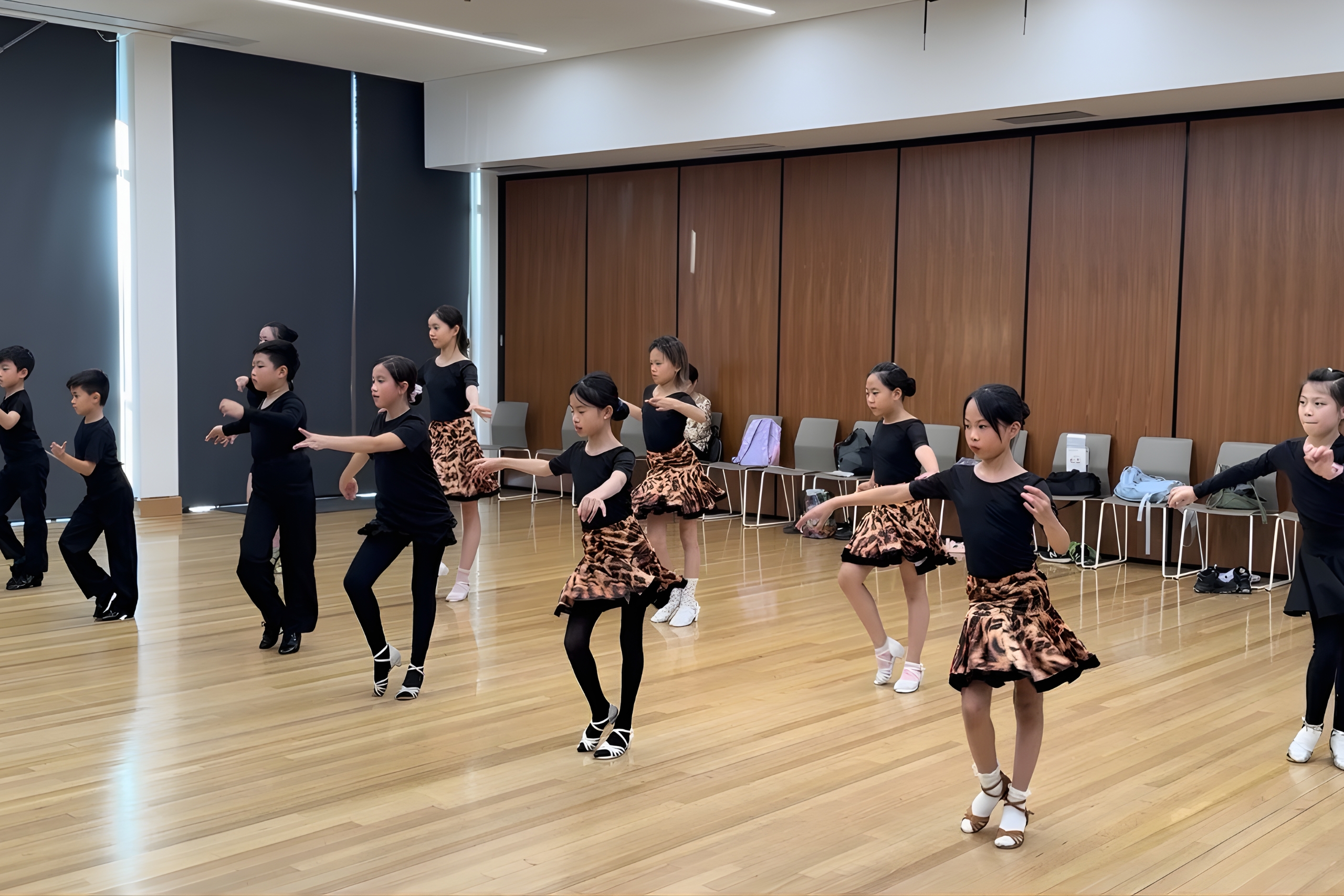
Why Structured Dance Training Matters For Young Dancers
When parents begin searching for dance classes for their child, the options can feel overwhelming. Many studios offer fun, casual classes, while others focus on performance, technique, and long-term development. Understanding the difference between recreational dance and structured dance training is essential when choosing the right environment for a young dancer.
Structured dance training provides more than just movement and music. It creates a foundation that supports physical development, confidence, discipline, and progression over time. For children who show interest or potential in dance, a structured approach can make a lasting difference.
Building Strong Technical Foundations Early
One of the most important benefits of structured dance training is the development of correct technique from the beginning. Young dancers learn how to move safely, efficiently, and with control, reducing the risk of poor habits that can be difficult to correct later.
Structured programs focus on posture, coordination, musical timing, and body awareness. These fundamentals support not only dance performance but also overall physical development. As children grow, strong technical foundations allow them to progress with confidence rather than feeling overwhelmed or restricted by gaps in their training.
Clear Progression and Goal Setting
Children thrive when they understand what they are working towards. Structured dance training offers clear levels, goals, and pathways, helping young dancers see their progress and stay motivated.
Rather than repeating the same routines year after year, structured programs introduce new challenges at the right time. Students move forward based on skill development, experience, and readiness, which encourages a healthy sense of achievement and growth.
For parents, this clarity provides reassurance. You can see how your child is developing, what they are learning, and what the next stage of their training involves.
Developing Discipline and Focus
Dance training is not only physical. Structured programs teach discipline, commitment, and focus, skills that benefit children well beyond the studio.
Regular attendance, goal-oriented practice, and guided feedback help young dancers understand the value of effort and consistency. These habits often translate into improved concentration at school, stronger time management skills, and greater resilience when facing challenges.
In a structured environment, discipline is balanced with encouragement. Children learn to work hard while still enjoying the creative and expressive side of dance.
Supporting Confidence and Self-Belief
Confidence grows when children feel capable and supported. Structured dance training provides a safe and encouraging environment where young dancers are guided step by step.
Through progressive learning and constructive feedback, students gain confidence in their abilities. Performances, assessments, and competitions are introduced at appropriate stages, helping children learn how to manage nerves, present themselves, and celebrate improvement.
This confidence often extends beyond dance, influencing how children approach new situations and challenges in everyday life.
Encouraging Healthy Physical Development
Structured dance programs are designed with age-appropriate training methods that support strength, flexibility, coordination, and stamina. Rather than pushing children too quickly, structured training focuses on gradual physical development that aligns with growth and maturity.
Young dancers learn how to use their bodies correctly, improving balance, posture, and movement quality. This approach supports long-term physical health and prepares students for more advanced training as they grow older.
Creating Pathways Beyond Recreational Dance
Not every child who starts dance will pursue competition or performance, but having the option matters. Structured dance training keeps pathways open.
For children who discover a passion for dance, structured programs provide opportunities to progress into performance teams, competitions, and advanced training. For others, the skills and confidence gained still offer lifelong benefits.
This flexibility allows each dancer to grow at their own pace while remaining supported within a clear framework.
The Role of Experienced Coaching
Structured training relies on experienced instructors who understand both technical development and the needs of young dancers. Professional coaching ensures that students receive consistent guidance, corrections, and encouragement.
Quality instruction helps children feel supported while maintaining high standards. This balance creates an environment where young dancers can enjoy learning while being challenged appropriately.
Choosing the Right Dance Environment
When selecting a dance studio, parents should consider more than location or convenience. Look for programs that prioritise structure, progression, and quality instruction.
Ask about training pathways, class levels, and how students are supported as they develop. A structured environment reflects a commitment to long-term growth rather than short-term results.
A Strong Foundation For The Future
Structured dance training gives young dancers the tools they need to grow confidently, both inside and outside the studio. Through technical foundations, clear progression, discipline, and supportive coaching, children are empowered to reach their potential.
Whether a dancer’s journey leads to competition, performance, or personal enrichment, structured training provides a strong foundation for success.