
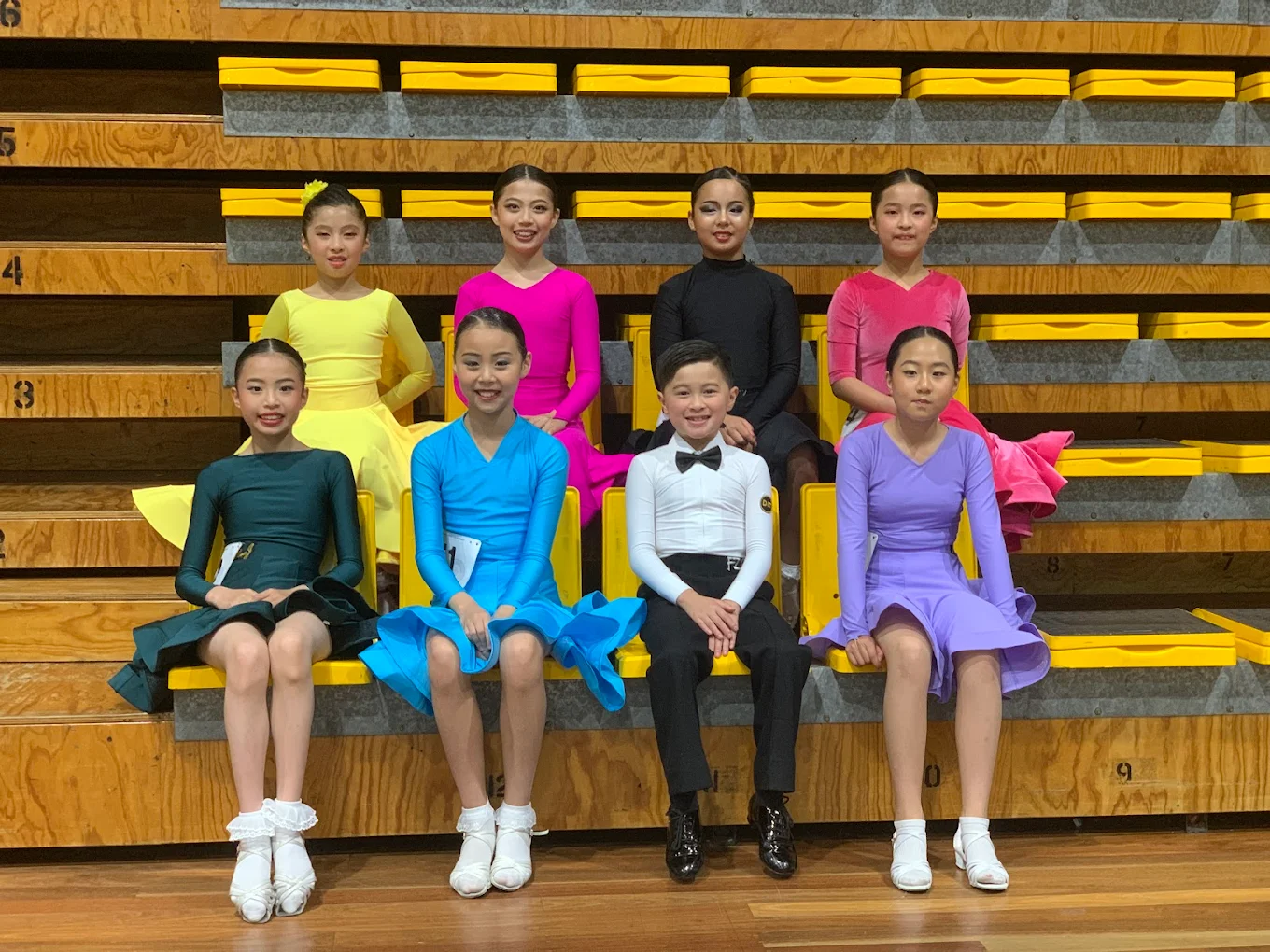
From Beginner To Competition Dance Training Pathway
Many parents wonder how a child progresses from their first dance class to performing confidently on the competition floor. DanceSport training is not a single step but a carefully guided pathway that supports technical development, confidence, and long-term growth.
Understanding how this journey works helps families make informed decisions and ensures young dancers are supported at every stage of their development.
The Beginner Stage: Building The Foundations
Every dancer starts with the basics. Beginner training focuses on introducing Ballroom and Latin dance in a structured and supportive environment.
At this stage, dancers learn fundamental steps, musical timing, coordination, posture, and basic technique. The goal is not speed, but correctness. Strong foundations allow dancers to develop safely and confidently without forming habits that may limit progress later.
Beginner classes also help children build confidence, discipline, and enjoyment while learning how to work within a structured training environment.
Developing Skills Through Structured Progression
As dancers gain experience, training gradually becomes more detailed and focused. Structured progression ensures that students move forward based on readiness, not age alone.
At this stage, dancers begin refining movement quality, control, and musical interpretation. Training includes a combination of technical exercises, routines, and physical conditioning to support strength, flexibility, and coordination.
Clear progression helps dancers understand their goals and provides motivation as they move closer to performance and competition opportunities.
Preparing For Competition Training
Competition training introduces a new level of focus and commitment. Dancers begin learning competition routines while developing presentation, stamina, and performance confidence.
This stage includes:
- Detailed technique refinement
- Individual styling and expression
- Fitness and endurance training
- Understanding competition expectations
Structured guidance is essential during this phase to ensure dancers are challenged while remaining supported.
High-Level Training And Performance Development
For dancers who wish to compete at a higher level, training becomes more specialised and personalised. High-level competition training focuses on advanced technique, movement analysis, and performance quality.
Dancers learn how to train independently while receiving professional guidance to refine details and improve consistency. Participation in competitions provides valuable experience, helping dancers develop resilience, confidence, and self-belief.
This stage supports dancers aiming for national and international DanceSport events.
The Role Of Private Training
Private lessons play an important role throughout the training pathway. These sessions allow instructors to focus on individual needs, provide targeted corrections, and accelerate development.
Private training supports:
- Technical refinement
- Personalised goal setting
- Competition preparation
- Confidence and consistency
When combined with group classes, private lessons help dancers stay on the right track as they progress.
Supporting Dancers Beyond Technique
A successful training pathway supports more than technical ability. Structured DanceSport programs also develop discipline, focus, teamwork, and resilience.
These skills benefit dancers beyond the studio, supporting academic performance, confidence in social situations, and personal growth.
A Pathway That Adapts To Each Dancer
Not every dancer will follow the same journey. Some may pursue competition, while others may enjoy structured training for personal development and enjoyment.
A strong training pathway allows flexibility while maintaining clear structure. This ensures that every dancer, regardless of their long-term goals, receives quality guidance and support.
Building A Strong Future In Dance
Progressing from beginner to competition dancer requires patience, structure, and professional coaching. With the right environment and guidance, young dancers can grow confidently while developing skills that last a lifetime.
A structured DanceSport pathway provides the foundation for success, whether a dancer’s future includes competition, performance, or personal achievement.